Session on mineral carbonation at the EMC conference in Dublin!

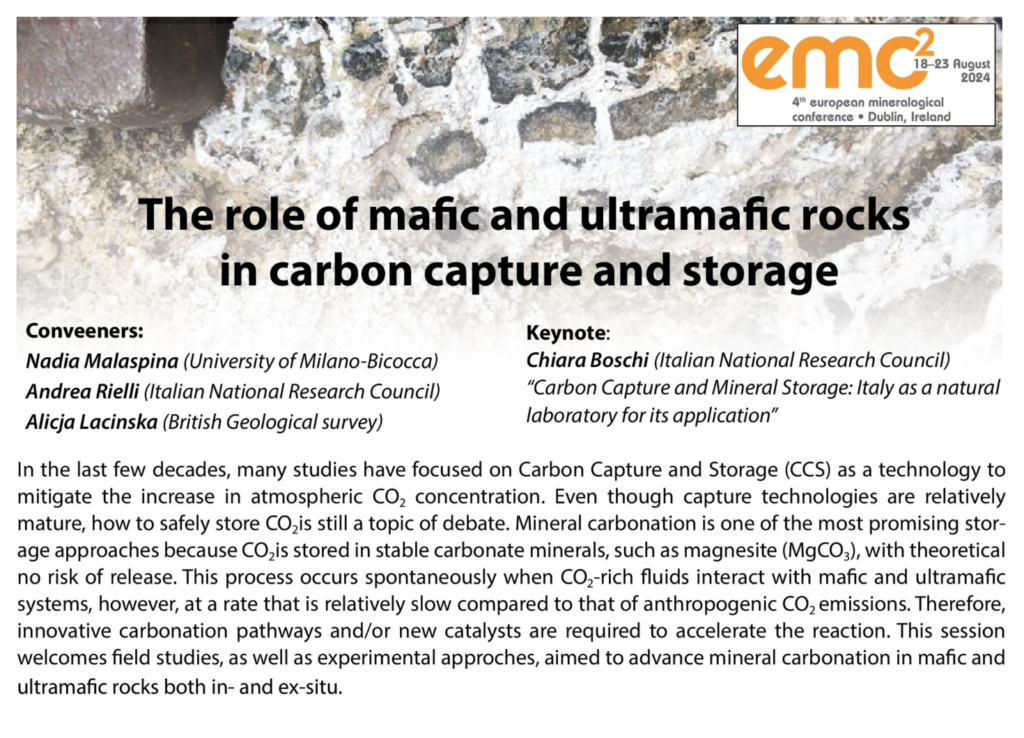
We’re excited to announce that we are organising a session at the upcoming EMC conference focused on the role of mafic and ultramafic rocks in carbon capture and storage. This session will be a fantastic opportunity to bring together experts and researchers to explore how rocks like serpentinites can help capture and store CO2 effectively.

We’ll dive into topics ranging from the geochemical processes of mineral carbonation to real-world applications and natural analogs. We aim to spark lively discussions and share innovative ideas on how these rocks can play a crucial role in mitigating climate change by securely storing CO2.

Join us at EMC to drive forward the conversation on how rocks can contribute to a more sustainable future!

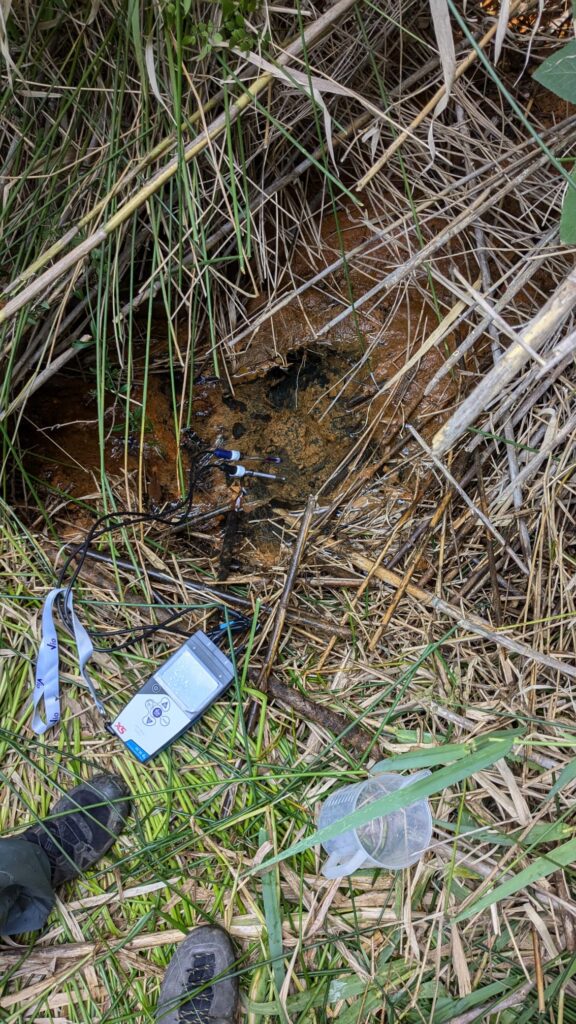
Water geochemical survey started!

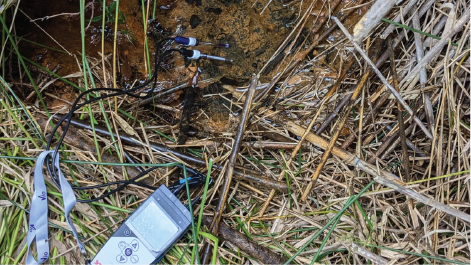
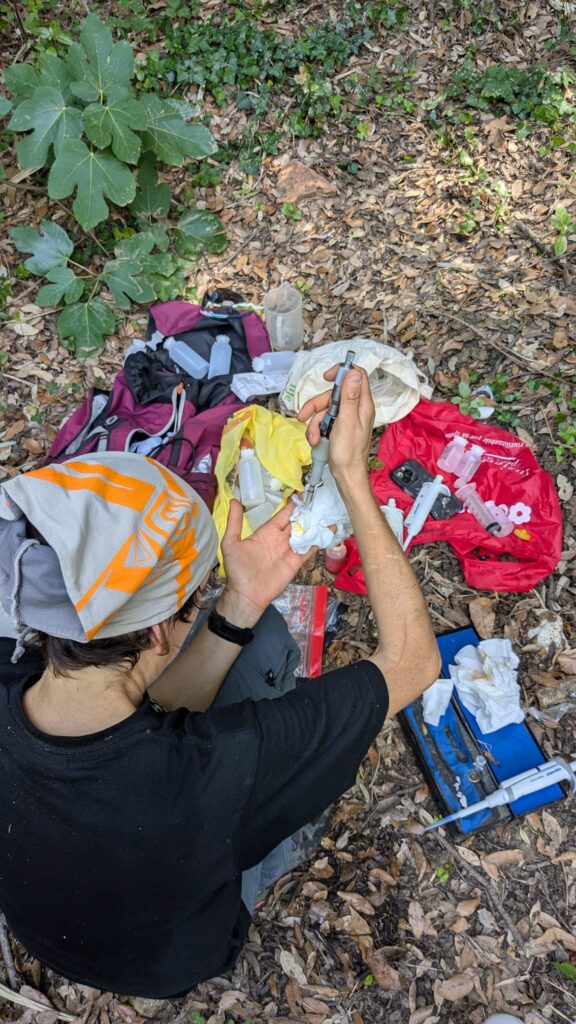
We are thrilled to announce that we have officially started our geochemical survey of the waters as part of the STORECO2 project. This crucial phase will help us gain a deeper understanding of the natural processes involved in mineral carbonation and CO2 sequestration and their potential environmental impact.

By analyzing the geochemical properties of these waters, we aim to uncover key insights into the mechanisms that have made natural carbonation efficient over millions of years and its effect on the environment. These findings will contribute significantly to our efforts in developing scalable technologies for secure and permanent CO2 storage.

Stay tuned for updates as we continue this exciting journey towards carbon neutrality!

Kick-Off of the STORECO2 Project, 10-11 January 2024, Pisa

The STORECO2 project officially launched with its first meeting on January 10th and 11th, 2024, at the IGG-CNR in Pisa. This initial gathering, conducted in a hybrid format, allowed for an inclusive and comprehensive kick-off. The first day was dedicated to presentations by the participants, who shared their research focus and engaged in critical discussions about the scientific progression, administrative logistics, and next steps for the project.

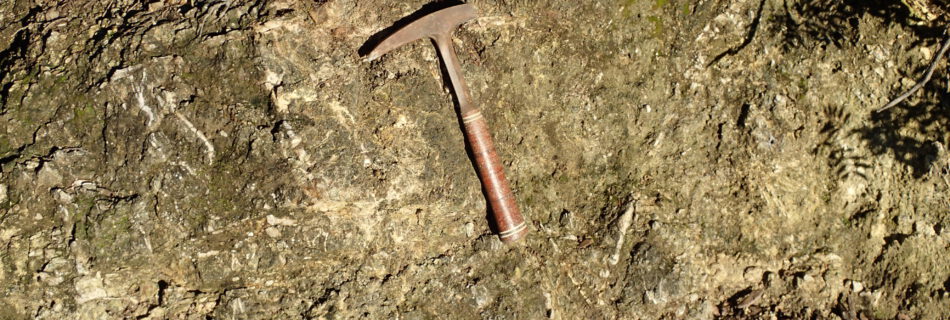
On January 11th, the team conducted a field survey at the Castiglioncello magnesite deposit, focused on identifying the best locations for collecting geochemical data and assessing areas suitable for geophysical studies. This two-day event marked the beginning of an ambitious endeavor to enhance our understanding of mineral carbonation as a means to mitigate climate change through innovative carbon storage techniques.

STORECO2 project officially started!

Introducing STORECO2: Advancing Serpentine Carbonation for Carbon Capture

We’re excited to share the launch of the STORECO2 project, a new initiative aimed at exploring the potential of serpentine carbonation as a method for safely storing CO2 emissions. This technology holds promise for contributing significantly to the global efforts in combating climate change.

Serpentine carbonation involves the natural process of turning CO2 into stable minerals, such as magnesite. While the potential benefits of this process are considerable, two major challenges stand in the way of its large-scale application: the need for cost reduction and the necessity of public acceptance.

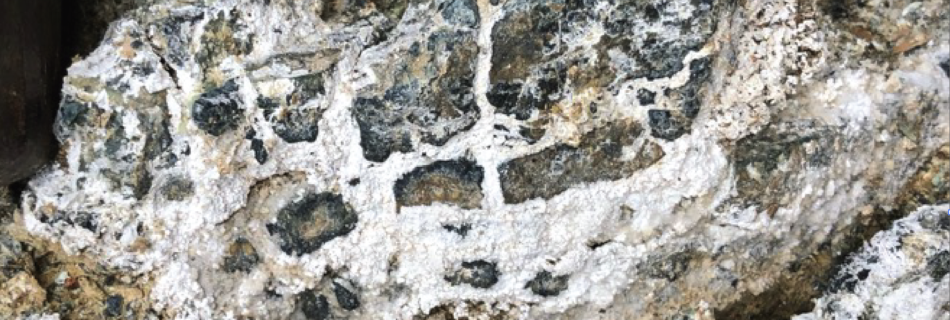
The STORECO2 project aims to address these challenges by studying natural carbonation systems known for their high efficiency. Our focus is on understanding how these systems, which can be likened to “ancient natural pilot plants”, were able to sequester CO2 effectively millions of years ago. The Castiglioncello magnesite deposit in Tuscany (Italy) serves as our primary research site, where we will apply a range of geochemical and geophysical techniques to uncover the secrets of efficient serpentinite carbonation.

The insights gained from this research will be instrumental in developing the scientific foundation required to scale up mineral carbonation processes. By improving our understanding of natural carbonation, STORECO2 seeks to advance the integration of this technology into the broader Carbon Capture and Storage (CCS) strategies, contributing to the EU’s ambition of achieving net-zero emissions by 2050.